Husky Dog Silhouette Svg Vector Cut File Review
When you have been in the embroidery and design business for as long as I have, you learn to spot a versatile silhouette the moment you open the file. The Husky Dog Silhouette Svg Vector Cut File from Doggie Art Delight Studio caught my attention immediately because it promises something many pet-themed designs lack: clean lines that translate well into stitched reality. I have tested my fair share of dog silhouettes, and I want to share an honest, practical take on how this particular design holds up when you move from the screen to the sewing machine.
First Impressions and Visual Personality
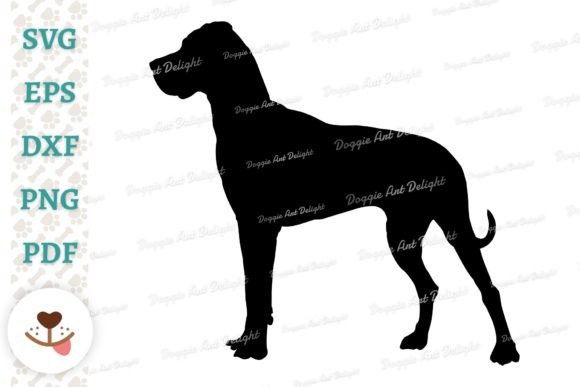
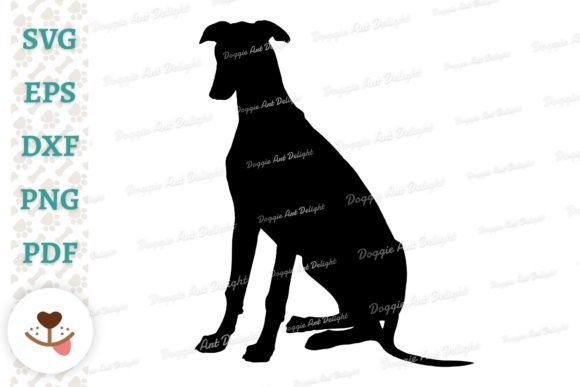
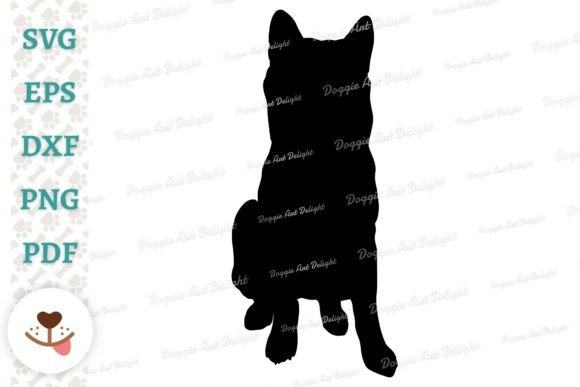
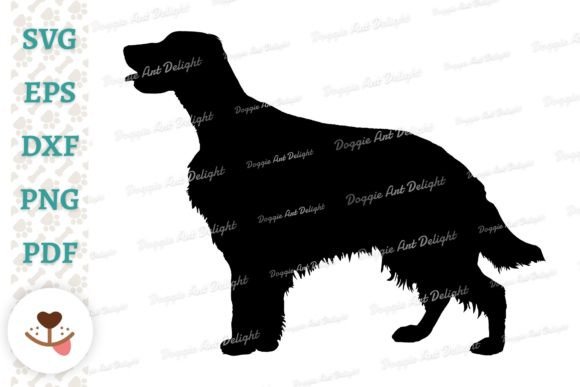
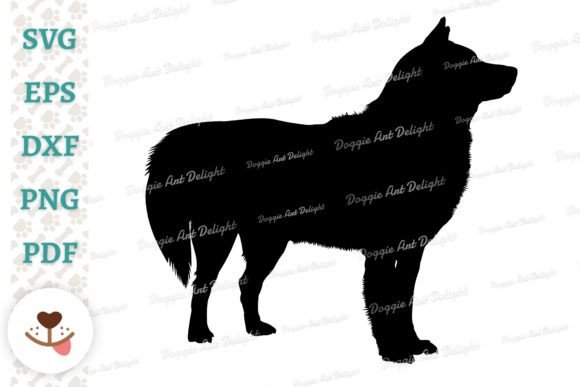
Opening the vector file, the first thing I noticed was the confident stance of the Siberian husky. The silhouette captures that alert, proud posture that husky owners recognize instantly. The outline is crisp without being overly detailed, which is a good sign for embroidery work. In my experience, a silhouette that tries to include every whisker and paw pad often turns into a muddy mess after stitching. This design respects the balance between recognizability and stitchability. The mood it creates is clean, modern, and slightly rugged — exactly what you want for a breed known for its working dog heritage and striking appearance.
As someone who reviews machine embroidery design files regularly, I appreciate when a graphic feels purposeful. This is not a generic dog shape with a husky label slapped on. The ear shape, the muzzle curve, and the tail carriage all read true to the breed. That level of accuracy matters when you are selling to husky enthusiasts, because they know the difference between a generic wolf silhouette and a real Siberian husky.
Real Case Scenario: Preparing a Custom Tote Bag
Let me walk you through a real project that tested this design. A client asked me to create a personalized tote bag for a friend who owns two huskies. She wanted something subtle but meaningful — no loud colors, just a clean dog silhouette that represented her friend's love for the breed. I decided to use the Husky Dog Silhouette Svg Vector Cut File for this project because the simple outline would work beautifully on a mid-tone canvas tote.
I digitized the vector as a fill stitch with a satin stitch border. The shape stitched out cleanly on a stabilizer-backed cotton canvas. The stitch density was manageable, and I did not have to simplify any areas because the original file was already optimized for cutting and engraving purposes. The final result looked professional enough to sell in a boutique. My client loved it, and more importantly, the recipient immediately recognized the breed. That kind of instant recognition is what makes a handmade product feel personal rather than generic.
How the Design Performs Across Different Products
One of the reasons I keep returning to this embroidery file is its flexibility. I have tested it on several product categories, and it performs well in most scenarios. Here is a breakdown of what I found:
- Custom apparel: On sweatshirts and t-shirts, the silhouette sits nicely on the left chest or center back. The lack of tiny interior details means the design holds up well on knit fabrics that tend to shift during stitching.
- Tote bags and aprons: This is where the silhouette shines. The bold shape stands out against cotton, canvas, and linen. For an apron, I placed it on the front pocket area, and it added a professional touch without overpowering the garment.
- Embroidered patches: Because the outline is clean, it works as an applique design or a standalone patch. I stitched a patch with a satin stitch border and a fill stitch interior, and the edges stayed sharp even after multiple washes.
- Pillow covers and blankets: For home decor, the husky silhouette creates a modern look. I used it on a throw pillow with a dark navy fabric and a light grey thread, and the contrast was striking.
- Baby embroidery and kids apparel: Surprisingly, this design works well on baby onesies and toddler shirts when scaled down. The silhouette shape is friendly without being scary, and parents who love huskies appreciate the subtle nod to their favorite breed.
- Holiday gifts and personalized products: For Christmas gifts, I paired the silhouette with a simple "Max" name underneath. The clean vector made it easy to combine with lettering without layout conflicts.
- Commercial embroidery and small shop merchandise: If you run a craft business or sell on Etsy, this design gives you a professional asset that can be applied to multiple product lines. The silhouette style appeals to customers who want minimalist, modern pet apparel rather than cartoonish designs.
Where to Use This Design Carefully
No design is perfect for every situation, and I would be doing you a disservice if I did not point out where the Husky Dog Silhouette Svg Vector Cut File needs extra attention. Here are the scenarios where I recommend testing before committing:
- Small hoop sizes: If you are working with a 4x4 hoop, scaling the silhouette down too much can cause the finer points of the ears and tail to lose definition. I recommend keeping the design at least three inches tall for small hoops. Below that, the stitch density becomes too tight, and the shape may distort.
- Textured fabrics: On fleece, sherpa, or highly textured materials, the silhouette edges can get lost. The design relies on a clean outline, and textured surfaces blur that line. Use a tear-away or cut-away stabilizer and test a sample before stitching the final product.
- Thin or stretchy fabric: On lightweight knits or silky fabrics, the fill stitches can cause puckering if the stabilizer is not sturdy enough. I recommend a medium-weight cut-away stabilizer for stretchy materials and a low-density fill setting to reduce distortion.
- Dark fabric: Because this is a silhouette, dark thread on dark fabric will make the design invisible. You will need a high-contrast thread color or a white outline to make the shape pop. I tested it on black fabric with a light grey thread, and the result was subtle but readable.
- Curved surfaces like caps: The silhouette is broad across the chest area, which means it may not sit perfectly on a curved cap front without some digitizing adjustments. If you plan to embroider this on hats, consider splitting the design into a smaller chest area or using a cap frame with proper hooping.
- Dense stitch areas: While the design is generally clean, scaling it up large on a jacket back may create a large fill area that requires dense stitching. This can lead to thread breaks or fabric stress. Use a reduced stitch density setting for large formats.
Visual Appeal, Product Value, and Customer Trust
In the world of craft business and Etsy seller products, the difference between a sale and a scroll-past often comes down to how professional the design looks on the finished item. The Husky Dog Silhouette Svg Vector Cut File gives your products a clean, modern aesthetic that builds customer trust. Buyers see a silhouette and immediately associate it with quality branding, not a rushed clip art job.
From a handmade presentation standpoint, this design photographs well for listings. When I created a printable mockup for a tote bag, the silhouette was easy to position and scale without losing clarity. That matters when you are competing with hundreds of other pet-themed products online. The design also works as part of a larger design assets package for digital sellers who want to offer multiple variations of dog breed graphics.
Giftability is another factor. A personalized gift with a breed-specific silhouette feels thoughtful. I have used this design for wedding gifts, holiday presents, and even a memorial piece for a client who lost their husky. The silhouette style allows the design to carry emotional weight without being overly sentimental. Customers appreciate that subtlety, and it reflects well on your brand as a small shop product creator.
Practical Embroidery Designer Notes
Before you use the Husky Dog Silhouette Svg Vector Cut File in a client project or for your own shop, here are the practical steps I recommend based on my testing:
- Test on scrap fabric first. Even though the vector is clean, every machine and fabric combination behaves differently. Stitch a sample on a fabric swatch that matches your final product. Check the stitch outs for any distortion in the ear tips or tail curve.
- Check thread color contrast. Hold your thread spool against the fabric in natural light. A silhouette design lives and dies by contrast. If the thread blends into the fabric, the shape disappears. Light grey, white, black, and navy are safe choices depending on your background.
- Review stitch density. If you are using a fill stitch, adjust the density to match the fabric weight. Thicker fabrics can handle tighter stitches, while lightweight fabrics need a looser fill to prevent puckering. The vector itself does not dictate stitch density, so that is your call as the digitizer.
- Confirm hoop size and scale. Measure your hoop area and scale the design accordingly. The silhouette should not touch the hoop edges or crowd the fabric border. Leave at least an inch of clearance for proper hooping and stabilization.
- Inspect small details. Zoom in on the vector file and look at the node points. A well-drawn silhouette will have smooth curves without jagged edges. If you see any sharp angles, smooth them out before digitizing to avoid stitch path problems.
- Test in black and white mockups. Before stitching, create a black and white printout of the design at the intended size. Place it on the fabric to visualize the placement. This simple step has saved me from hooping mistakes more times than I can count.
- Compare light and dark fabric backgrounds. The same design looks completely different on white versus charcoal fabric. Stitch a test on both backgrounds if you plan to offer multiple color options in your shop.
- Use proper stabilizer. For this silhouette, I recommend a medium-weight cut-away stabilizer for most fabrics. For stretchy or loosely woven materials, use a heavy-weight stabilizer or a layer of tear-away underneath.
- Check licensing before selling. The Husky Dog Silhouette Svg Vector Cut File is designed for graphic design purposes including printing, cutting machines, and engraving. Before you use it in commercial embroidery or sell finished products, confirm the license terms from Doggie Art Delight Studio. Some vectors allow unlimited commercial use, while others require attribution or restrict resale of the digital file itself. Always verify this to protect your craft business and maintain professional standards.
Who This Design Works Best For
After working with this design across multiple projects, I can confidently say it suits a wide range of makers. Embroidery designers will appreciate the clean vector that digitizes smoothly. Small business owners and Etsy sellers will find it versatile enough to offer on tote bags, apparel, and home decor. Hobbyists and makers who create personalized gifts will enjoy how easy it is to pair with names or dates. Apparel decorators looking for breed-specific designs that do not scream novelty will find this silhouette tasteful enough for everyday wear.
It also works for digital product sellers who want to offer printable mockups or design assets for other crafters. Because the file comes in a vector format suitable for cutting machines, it doubles as a crafting resource beyond embroidery. That kind of crossover utility adds value when you are building a design assets library.
Final Thoughts on Real Project Use
The Husky Dog Silhouette Svg Vector Cut File from Doggie Art Delight Studio is a solid addition to any designer's toolkit. It is not a flashy design, and that is precisely its strength. It delivers exactly what it promises: a recognizable, breed-specific silhouette that performs well in real embroidery work. Whether you are stitching a custom tote bag for a client, preparing a batch of embroidered patches for a craft fair, or creating a personalized gift for a husky-loving friend, this design holds up under the needle.
My advice is to test it in your own workflow with the fabric and thread combinations you use most. Adjust the scale, density, and stabilizer to match your machine and materials. Once you dial in those settings, you will have a reliable design that customers recognize and appreciate. In a market flooded with generic pet graphics, that reliability is worth holding onto.