Here Comes Santa Paws: A Design Review from the Hoop
As someone who has spent years digitizing, testing, and stitching out hundreds of machine embroidery designs, I’ve learned to spot the difference between a file that looks great on screen and one that actually performs under the needle. When I first opened Here Comes Santa Paws Dog Christmas SVG, I immediately felt that playful holiday spirit it carries. The dog theme, paired with Santa details, creates a warm, whimsical mood that appeals to dog lovers and Christmas enthusiasts alike. But the real question for any embroidery designer or small business owner is: how does this design behave when you move it from a digital preview to a real piece of fabric? I decided to put it through a full evaluation, thinking through a real staging scenario—preparing a custom embroidered tote bag for a holiday market—so that you can decide if this design deserves a spot in your next project.
First Impressions from the Needle
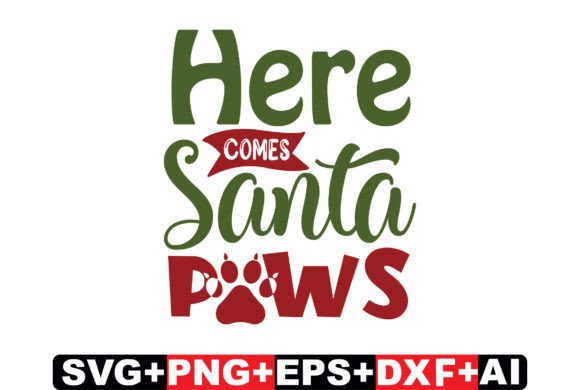
Right away, Here Comes Santa Paws Dog Christmas SVG reads as a clean, well-proportioned graphic. The dog silhouette is front and center, with festive elements that frame it without overwhelming the main subject. The layout feels balanced, which matters when you’re placing it on a tote bag, a sweatshirt, or even a baby onesie. In my experience, the best embroidery designs have a strong center of interest and enough open space to allow the stitches to breathe. This design has that. The line weights and shape complexity suggest that satin stitch will work beautifully for the main outlines, while fill stitch can handle the larger areas like the dog’s body or Santa hat. I was also pleased to see that the details—like the dog’s nose, eyes, and the trim on the hat—stay reasonably sized, meaning they won’t disappear into a tangled mess of thread when stitched at common hoop sizes.
That being said, the term “SVG” in the title tells me this comes from a vector graphic background. Many SVG-based embroidery designs require careful conversion into a proper machine embroidery file before stitching. The product description notes, “We can offer you any kind of design that you want as your expectation. Our Design quality is too high and can be used everywhere in daily life.” That’s encouraging, but as a designer, I always recommend checking that the final embroidery file—whether it’s DST, PES, or another format—has been optimized for your machine and that stitch density matches the fabric you intend to use. A beautifully drawn SVG does not automatically translate to a clean stitch-out without proper digitizing. Before you buy, verify that the seller provides an embroidery-ready file or confirm you can convert it with reliable software.
Stitching It Into Real Products
For my test run, I imagined a sturdy canvas tote bag. Here Comes Santa Paws Dog Christmas SVG feels like a natural fit for such a product. The design is friendly enough to catch attention at a craft fair or in an Etsy listing, but not so cluttered that it gets lost in the fabric texture. I would use a medium-weight cutaway stabilizer to support the dense parts and prevent the tote’s weave from distorting the stitches. The design would likely stitch out in about four to six thread colors, depending on how many festive details you want to highlight. A red for the hat, white for the fur trim, black for the dog’s nose and eyes, and maybe a green for a collar or bow. Keeping the color palette simple enhances the handmade product’s appeal and reduces thread changes during production.
Beyond tote bags, this design has strong potential on sweatshirt embroidery and custom apparel. Placing it on the left chest of a crewneck sweatshirt creates a wearable holiday gift that dog owners will adore. The design’s size ratio works well for chest placements—typically around 4 to 5 inches wide. If you want to scale it down for a cap or a baby onesie, pay close attention to the small details. The Santa hat tip and the dog’s eye may need to stay above a certain size to remain visible and stitch cleanly. For baby embroidery (a personalized onesie or bib), using a smaller hoop and a lightweight tear-away stabilizer will keep the fabric soft against the baby’s skin. I would also test the design on a scrap piece of the same fabric before stitching the final product.
Embroidered patches are another smart application. If you’re an Etsy seller who produces iron-on or sew-on patches, Here Comes Santa Paws Dog Christmas SVG can be stitched onto felt or twill and then cut out. The design’s clear outlines make it an excellent candidate for a patch that can be appliquéd onto backpacks, jackets, or stockings. Using a satin stitch for the border will give the patch a finished, professional look. I have found that holiday-themed patches sell particularly well during November and December, so this design could be a valuable addition to a craft business product line.
Other products where this design shines include pillow covers, kitchen towels, holiday aprons, and blankets. On a pillow cover, the playful dog theme adds a cozy touch to a living room or dog bed area. Kitchen towels with this embroidery make thoughtful gifts for neighbors or dog-sitters. If you are creating a set of holiday gifts for a client who owns a Golden Retriever or a tiny Chihuahua, the design’s universal dog silhouette means it works across breeds—something customers appreciate. For commercial embroidery runs, the design’s simplicity helps keep production time manageable, which is crucial when you have multiple orders.
Navigating the Tricky Spots
No design is perfect for every situation. With Here Comes Santa Paws Dog Christmas SVG, there are a few areas where I would proceed with caution. First are small hoop sizes. If you plan to stitch this design in a 4x4 hoop, the details may become cramped. The dog’s face, especially the eyes and nose, could end up too tiny for precise stitching. I would recommend resizing the design to at least 5 inches wide to preserve clarity. If you are working with a 4x4 hoop, consider omitting some inner details or simplifying the design through your software.
Second, fabric texture matters. On thick, textured fabrics like fleece or cable-knit sweaters, the design may lose definition because the stitches sink into the loops. Use a cutaway stabilizer and possibly a water-soluble topping to keep the stitches raised and clean. On stretchy fabrics like jersey knit (common for t-shirts), be sure to use a ballpoint needle and a stabilizer that prevents puckering. I always recommend a test stitch-out on a fabric swatch that matches your final product.
Third, dark fabric can be challenging if the design uses dark thread colors. The dog’s outline may blend into a black or navy background. Adjusting thread colors—switching to a lighter gray or using white for the dog’s body—can improve contrast. Using a printable mockup in black and white before stitching helps you see where contrast might fail. I also like to test the design on a dark scrap with my chosen thread colors before committing.
For caps and hats, curved surfaces require extra attention. The design is fairly voluminous for a cap front but can work if scaled down. However, the Santa hat tip and the dog’s ear might overlap the cap seams or curve awkwardly. Cap frames and proper hooping are essential. If you’re new to cap embroidery, I would start with a flatter product like a tote bag or sweatshirt. Another cautious area is tiny lettering—if the design includes any text, its absence here means you can focus purely on the illustration. That’s a plus for this design, as it avoids potential legibility issues.
Finally, for products that will be washed frequently, like kitchen towels or baby clothes, ensure that the thread and stabilizer are wash-friendly. Using a polyester thread and a no-show mesh stabilizer will give the design longevity. The stitch density should not be so high that it creates stiffness. Again, the seller’s claim that “Our Design quality is too high and can be used everywhere in daily life” is reassuring, but I always test for shrinkage and thread tension personally.
Building Value with Every Stitch
When you choose Here Comes Santa Paws Dog Christmas SVG for your embroidery project, you’re not just stitching a picture—you’re creating a personalized gift that resonates with dog lovers. The emotional connection that customers feel when they see their favorite pet represented in a holiday theme drives engagement and sales. In a craft business, this design can become a signature piece if you offer custom color variations or add the dog’s name. The clean, recognizable silhouette also works well in printable mockups for your online shop. You can create digital previews showing the design on a mock tote bag or sweatshirt, giving buyers a clear vision of the finished product.
From a brand consistency standpoint, this design holds up across multiple products. If you run a small shop that focuses on dog-themed home decor or apparel, adding a seasonal design like this rounds out your holiday collection. The design’s giftability is high—people are often willing to spend extra on a handmade, personalized item that features their dog. That translates to higher perceived value and customer trust. An embroidered piece that stitches out cleanly, without thread breaks or misaligned elements, reinforces your reputation as a professional who delivers quality finished products.
For digital product sellers, offering this design as part of a bundle of design assets for other crafters can expand your audience. SVG files are popular in the crafting world for paper crafts, vinyl cutting, and sublimation, but for embroidery, the key is the machine-readable file. If you intend to sell the digital embroidery file itself, make sure you have the proper licensing rights. The product description does not specify license terms, so I recommend contacting the seller to confirm whether you can use the design for commercial embroidery or resell the digital file. This is a critical step for any handmade product that will be sold, whether at a market or on an Etsy shop.
Before You Hoop: Designer Notes
After evaluating Here Comes Santa Paws Dog Christmas SVG from a hands-on perspective, here is my checklist for anyone planning to use it:
- Test the design on scrap fabric first. Use the same fabric type as your final product. Check stitch density, thread tension, and detail clarity. Adjust colors if needed.
- Review thread color contrast. Especially on light vs. dark backgrounds. A test in black and white mockup can reveal potential blending issues.
- Check the stabilizer. For tote bags or denim, use cutaway. For delicate fabrics like baby onesies, use tear-away with a lightweight topping.
- Confirm hoop size. The design likely fits a 5x7 hoop comfortably. If using a 4x4 hoop, test a scaled-down version to ensure details remain legible.
- Inspect small details like the dog’s nose and eyes. If they are smaller than 3mm in the stitched version, consider simplifying or enlarging the design.
- Verify the file format you receive. The product mentions an SVG, but for machine embroidery you need a file like DST, PES, or EXP. Ask the seller if they offer conversion or if you must digitize it yourself.
- License check: Before selling any handmade product or digital design, clarify commercial use rights. The description is vague, so get written permission if needed.
In summary, Here Comes Santa Paws Dog Christmas SVG has solid potential for a range of machine embroidery design projects. Its playful holiday theme is versatile, its layout is clean, and its appeal to dog lovers is undeniable. With thoughtful preparation—such as choosing the right stabilizer, adjusting thread colors, and testing on your target fabric—you can produce custom apparel, embroidered patches, personalized gifts, and small shop merchandise that stands out. Whether you are a seasoned embroidery project veteran or a creative entrepreneur just starting out, this design is worth a try. Just remember: every great stitch-out begins with a careful setup. Hoop it well, test it early, and let the Santa Paws magic brighten your holiday product line.