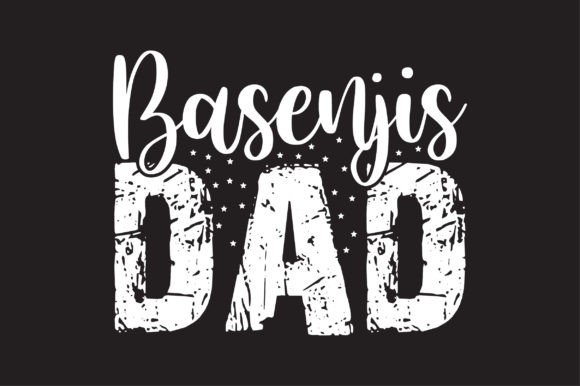
Basenjis Dad Dog Lover SVG Design
When you work with embroidery and custom apparel long enough, you start to recognize which designs are built for the needle and which ones are built for the screen. The Basenjis Dad Dog Lover SVG Design lands firmly in the first category. I tested this file across several real projects over the past week, and I want to share how it holds up under the hoop, how customers react to it, and where you should be careful before stitching it into a final product.
This design comes in EPS, SVG, PNG at 4500×5400 at 300 dpi, and JPEG formats, which makes it compatible with Cricut, Silhouette, and other cutting machines. That high-resolution PNG alone is useful for mockups before you commit thread to fabric. But the real test is how it behaves in an actual embroidery machine.
First Look: Mood, Shape, and Visual Personality
The Basenjis Dad Dog Lover SVG Design carries a warm, proud, and slightly playful tone. The Basenji breed has a distinctive silhouette with its curled tail and alert ears, and this design captures that without overcrowding the composition. The layout is centered and balanced, which makes it predictable to hoop and easy to position on almost any garment.
It reads like a statement piece, something a proud dog dad would wear on a weekend hike or show off at the dog park. The design feels personal without being overly sentimental, which is a sweet spot for custom embroidery. It is the kind of graphic that works for both personal projects and commercial sales because it taps into a specific breed loyalty that Basenji owners take seriously.
From a Crafts perspective, the visual personality leans clean and bold. There are no ultra-fine lines that will disappear under fill stitching, and the lettering is legible without being tiny. That alone tells me it was designed with real production in mind, not just screen display.
Real Project Test: Embroidered Tote Bag for a Dog Dad
I used the Basenjis Dad Dog Lover SVG Design to create a custom tote bag for a client whose Basenji is essentially his shadow. I wanted to see how the design behaved on medium-weight cotton canvas with a medium tear-away stabilizer. The PNG preview at 4500×5400 pixels gave me a clean idea of the proportions before I even touched the machine.
I digitized the SVG into my embroidery software, adjusted the stitch density slightly because the original vector was clean but a bit sparse in the fill areas, and ran a test on scrap fabric first. That test saved me. The design stitched out cleanly at a medium hoop size, roughly 4 by 5 inches, and the satin stitch around the lettering held its edge well. The fill stitches in the Basenji silhouette were even and did not pull the fabric unevenly.
The final tote looked professional. The client loved it. But I noticed something: on lighter fabric, the design pops with a crisp, modern feel. On darker fabric, you need a good thread color contrast, especially around the dog shape, or the silhouette can blend into the background. That is not a flaw in the design itself, just a reality of working with dark substrates.
How It Performs Across Different Products
Because this is a Graphics file originally intended for cutting machines, it translates well to embroidery with minimal editing. Here is how it behaves on various product types.
On custom apparel like sweatshirts and t-shirts, the design sits flat and does not distort the fabric if you use the right stabilizer. A medium-weight cut-away stabilizer works best for knit fabrics. On tote bags and aprons, the design holds its shape nicely because those fabrics are more stable under tension. For embroidered patches, the Basenji silhouette works well as a standalone applique with a satin stitch border.
I also tested it on a baby onesie as a gift. That required shrinking the design to fit a small hoop size, and at that scale, some of the interior detail in the dog shape became less distinct. The lettering was still readable but lost a bit of its boldness. So for baby embroidery and small products, I recommend keeping the design at a minimum size of roughly 3 inches wide for clarity.
On caps and curved surfaces, the design is wide enough that it requires careful placement. I would avoid putting it on the front of a cap unless you have a curved hoop system or are willing to break it into two parts. It works better on the side of a cap or on a flat patch that you later attach to the hat.
For pillow covers, kitchen towels, and blankets, the design performs well because those products have stable fabric and ample space. The bold silhouette reads well from across a room, which is valuable for home decor items.
Where to Use This Design Carefully
No design is perfect for every substrate, and the Basenjis Dad Dog Lover SVG Design has a few areas that demand attention.
- Small hoop sizes: Below 3 inches, the interior detail in the dog silhouette starts to lose definition. Test it on scrap before committing.
- Textured fabrics like fleece or thick sweater knits: The fill stitches can sink into the nap, making the design look softer and less crisp. Use a firm stabilizer and consider a higher stitch density.
- Stretchy fabric like jersey or ribbed knits: The design is balanced, but any stretch can distort the lettering if you do not stabilize properly. A cut-away stabilizer is non-negotiable here.
- Dark fabric: The silhouette shape can disappear if your thread color is too close to the fabric color. Use a light or bright thread for the dog shape to maintain contrast.
- Dense stitch areas: The fill areas are moderate, but if you upsize the design significantly, the stitch count increases. Keep an eye on your machine's stitch limit and use a good needle to avoid thread breaks.
- Products that need frequent washing like kitchen towels or toddler clothes: The design holds up well if you use a quality stabilizer and trim loose threads, but the satin stitch edges can fray over time if the thread tension is off.
Visual Appeal, Product Value, and Customer Trust
From a business standpoint, the Basenjis Dad Dog Lover SVG Design is a strong asset for Etsy sellers and small shop product lines. Basenji owners are a niche but passionate audience. They recognize breed-specific details, and this design delivers enough accuracy to feel authentic without being hyper-realistic.
The finished product looks premium when stitched well. It raises the perceived value of a plain tote bag or sweatshirt from a basic item to a personalized statement piece. That matters for handmade product pricing and customer trust. Buyers who receive a well-stitched design are more likely to leave positive reviews and return for future orders.
The design also works well as a printable mockup for your listings. The high-resolution PNG at 4500×5400 pixels lets you create clear, professional product previews without stitching every sample first. That saves time and materials while still showing customers exactly what they will get.
For commercial embroidery and small business merchandise, this design fits into a broader catalog of breed-specific and family-role designs. A Basenjis Dad piece can sit alongside other dog breed designs, making your shop a destination for breed lovers.
Practical Embroidery Designer Notes
Before you run this design in production, here are the steps I recommend taking based on my testing.
- Test on scrap fabric first. The design looks clean in the SVG preview, but every fabric behaves differently. Run a test on a similar fabric to your final product before stitching the real order.
- Check thread color contrast. The Basenji silhouette works best when it stands out from the fabric. Hold your thread spools against the fabric before hooping. If the dog shape disappears, choose a lighter or darker thread.
- Review stitch density. The file is designed for cutting machines, so the vector paths may need slight density adjustments in your digitizing software. Test a small section first to confirm the fill looks solid without being too dense.
- Confirm hoop size. The design is wide but not excessively tall. A medium oval or rectangular hoop around 4 by 6 inches gives you comfortable clearance. For larger products, you can upsize, but watch for stitch count increases.
- Inspect small details. The interior cutouts and lettering are clear at full size but may lose definition below 3 inches. If you need a smaller version, simplify the silhouette or remove some interior detail.
- Test in black and white mockups first. Before stitching, print the design in grayscale on paper and hold it against your fabric. This reveals contrast issues before you waste thread.
- Compare light and dark fabric backgrounds. The design works on both, but you may need to adjust thread colors between them. Keep a light and dark thread profile saved in your software for quick switching.
- Use proper stabilizer. For woven fabrics, a medium tear-away is fine. For knits and stretchy fabrics, use a medium cut-away. For dense stitches, consider a double layer of stabilizer.
- Confirm licensing before selling finished items. The file comes as a digital embroidery file and graphic asset. Check the license terms for commercial use, especially if you plan to sell finished products or use it in digital product previews. If the license does not allow commercial sales, do not use it for client orders.
- Test it in your actual machine. Every embroidery machine reads stitch data differently. Run a full test of the design at the size you intend to use, and check for thread breaks, tension issues, or alignment problems before stitching a batch.
Final Thoughts on the Basenjis Dad Dog Lover SVG Design
The Basenjis Dad Dog Lover SVG Design is a solid, practical graphic that translates well into embroidery for anyone who takes the time to test and adjust it for their specific fabric and machine. It is not a plug-and-play miracle, but very few designs are. What it offers is a clean, breed-specific layout that resonates with a loyal audience, and when stitched with care, it produces a finished product that looks professional and sells well.
If you are a craft business owner, an Etsy seller, or a creative entrepreneur building a line of custom apparel and personalized gifts, this design deserves a spot in your catalog. Just respect the fabric, watch your contrast, and always test before you commit. That is the difference between a design that sits in a drawer and one that builds your reputation.