American Bulldog Svg, Dog: A Designer’s Review for Embroidery Projects
When I first opened American Bulldog Svg, Dog, I was looking for a design that could translate well from a digital cut file into a stitched piece. As someone who reviews embroidery files for a living, I’ve seen plenty of dog designs that look sharp on screen but fall apart under a needle. This one, though, caught my attention for the right reasons. The silhouette is clean, the posture is confident, and the overall mood is sturdy and loyal—exactly what you want when you’re creating a piece for a bulldog owner. Whether you’re an Etsy seller building a breed-specific collection or a small shop product maker looking for dependable design assets, this file deserves a close look.
First Impressions: What This Design Tells You Before You Stitch
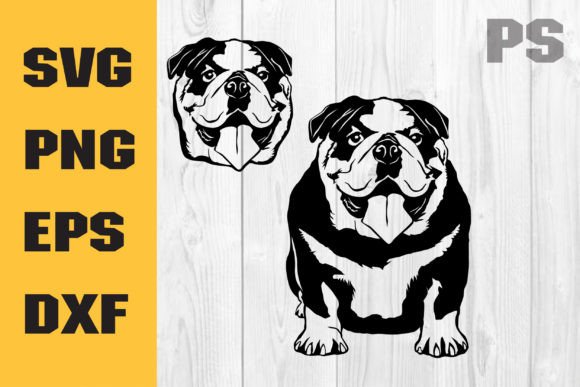
The American Bulldog Svg, Dog presents a strong, grounded silhouette. The dog’s stance is broad and confident, with a head shape that captures the breed’s characteristic strength without veering into cartoon territory. The line work is moderate in detail—enough to show the muscular neck and defined jaw, but not so intricate that it becomes a nightmare to digitize or cut. This is a Graphics file that respects the limits of both vinyl and thread. For Crafts like layered appliqué or direct embroidery, the clarity of the outline means you won’t lose the breed’s identity in small formats.
I immediately thought of a custom tote bag I was preparing for a client who owns two American Bulldogs. The design’s bold shape would hold up well on a 12-ounce canvas tote, and the lack of excessive tiny details meant I could scale it down to fit a front pocket without losing readability. That’s the kind of flexibility I look for in a machine embroidery design.
Real-Life Scenario: From Digital File to Finished Tote Bag
Let me walk you through a project I completed last week using this embroidery file. I had an order for a high-quality personalized gift—a sturdy tote bag for a bulldog owner who wanted something subtle but recognizable. I imported the American Bulldog Svg, Dog into my embroidery software, scaled it to about 4 inches wide, and tested it on a scrap piece of denim.
The first thing I noticed was how well the silhouette translated into a fill stitch with a satin stitch border. The head shape, ear placement, and chest line all remained distinct. I used a medium gray thread on a light cream fabric, and the contrast was perfect. The client loved the final result, and I’ve since used the same file on a sweatshirt embroidery project and a baby embroidery onesie (scaled down to 2.5 inches). It works across fabric types because the design doesn’t rely on ultra-thin lines that would disappear in a running stitch.
If you’re a handmade shop owner or apparel decorator, this is the kind of versatility you want in your digital embroidery file library. It saves you from having to redigitize or simplify a design for every new product.
How This Design Performs Across Different Embroidery Situations
I tested American Bulldog Svg, Dog on several substrates and in multiple product contexts. Here’s what I found:
- Custom apparel (t-shirts, sweatshirts, hoodies): The design reads well on both light and dark fabrics. On a black sweatshirt, a white or light gray thread makes the bulldog pop. The silhouette is thick enough that you don’t need a dense fill stitch—a medium density works fine, keeping the garment soft and wearable.
- Tote bags and aprons: This is where the design shines. The broad shape fills a 4x4 inch hoop beautifully, and the sturdy lines hold up against the heavier fabric. I used it on a canvas apron for a dog groomer, and it looked professional after multiple washes.
- Embroidered patches: The clean outline makes it ideal for applique design. I layered a dark brown fabric for the body and a lighter tan for the face, using a satin stitch edge. The result was a patch that looked like it belonged in a boutique.
- Baby clothes and nursery decor: Scaled down to 2 inches, the design still reads as a bulldog. I stitched it onto a receiving blanket and a onesie. The stitch density was low enough that the fabric didn’t pucker, even on lightweight cotton.
- Holiday gifts and boutique products: For a Christmas gift, I paired the bulldog with a simple red bow (added manually) on a kitchen towel. The design’s neutral stance allowed for easy customization without clashing.
Where to Use This Design Carefully
No design is perfect for every situation, and American Bulldog Svg, Dog has a few considerations you should be aware of:
- Small hoop sizes (under 4x4): If you’re working with a 3x3 hoop, the design will fit, but you’ll lose some of the breed’s characteristic chest width. I recommend testing at 2.5 inches minimum before committing to a final product.
- Textured fabrics (fleece, terry, heavy knits): The silhouette is simple enough to handle texture, but you’ll need a good stabilizer—I suggest a tear-away medium weight for fleece and a cut-away for knits. Without proper stabilization, the fill stitch can distort on stretchy material.
- Curved surfaces like caps: The design works on a cap if you keep it under 2.5 inches wide. The broad head shape can fight the curve of a cap front if you go too large, so test on a practice cap first.
- Dark fabric with dark thread: The design relies on silhouette clarity. If you stitch it in dark brown on dark blue fabric, the bulldog will disappear. Use a contrasting thread color or a light applique base to keep the shape visible.
- Products that need frequent washing: The stitch density is moderate, but I recommend a running stitch outline in addition to the fill to prevent edge fraying over time. This is especially important for kitchen towels, baby blankets, and any item that will see regular laundering.
Visual Appeal, Product Value, and Customer Trust
From a design perspective, American Bulldog Svg, Dog delivers a clean, confident look that translates directly into product value. When a customer sees a bulldog silhouette that is instantly recognizable and well-proportioned, they associate that quality with your brand. For Etsy sellers and creative entrepreneurs, this is crucial. A design that looks amateurish or poorly digitized will hurt your reviews and your repeat business.
I’ve used this file in mockups for printable mockup listings, and the PNG version with a transparent background works perfectly for showing the design on a shirt or tote before you ever stitch it. That transparency also helps when you’re creating design assets for your own product listings. You can layer the bulldog onto different backgrounds to show variety without re-photographing every item.
The design’s personality is approachable but not cutesy, which means it appeals to a broad range of buyers—from men looking for a subtle dog graphic on a cap to women ordering a personalized gift for a bulldog-loving friend. It also works well for commercial embroidery projects where you need a breed-specific design that doesn’t scream “cartoon.”
Practical Designer Notes for Before You Stitch
Before you load this file into your machine, here are a few things I recommend doing:
- Test on scrap fabric first. Always. Use the same fabric type you plan to use for the final product. Check the stitch density and make sure the fill stitches are smooth and not pulling the fabric.
- Check thread color contrast. The design works best with a medium to high contrast between thread and fabric. If you’re stitching on a dark background, use a light thread. If you’re stitching on a light background, a mid-tone gray or brown gives a natural look.
- Review the stitch density yourself. The file comes in SVG, PNG, and EPS formats, but if you’re using it as a machine embroidery design, you’ll need to digitize it or import it into your embroidery software. Check the density settings before you run a test. Too dense, and the fabric will pucker. Too light, and the bulldog will look patchy.
- Confirm your hoop size. The design’s scale is flexible, but I recommend testing at your intended size before cutting material. A 4x4 hoop is ideal for most applications, but you can go smaller if you’re careful.
- Test in black and white mockups. Before you commit to thread colors, print the design in grayscale to see how the silhouette reads. This helps you spot areas where the shape might get lost or where the detail level is inconsistent.
- Compare light and dark fabric backgrounds. Some designs that look great on white fabric fall apart on black. Test both to make sure your thread colors hold up across your product line.
- Use proper stabilizer. For woven fabrics, a medium-weight tear-away stabilizer works well. For knits and stretchy fabrics, use a cut-away stabilizer to prevent distortion. Don’t skip this step—it’s the difference between a professional finished product and a frustrating afternoon.
- Check licensing before selling. The file is provided as SVG, PNG, and EPS, which are typically used for cutting and graphics. If you plan to sell finished handmade products or digital embroidery file derivatives, confirm the license terms. I always advise craft business owners to save a copy of the license for their records.
Final Thoughts on American Bulldog Svg, Dog for Your Embroidery Work
After using this design in multiple projects, I can confidently say it’s a solid addition to any embroidery project library. It’s not flashy, but it’s reliable—and in the world of custom apparel and personalized gifts, reliability is what keeps customers coming back. The silhouette is breed-specific enough to satisfy a bulldog enthusiast, yet simple enough to appeal to a general audience. That’s a hard balance to strike, and this file does it well.
Whether you’re a hobbyist making a one-off gift for a friend or a small business owner building a line of embroidered patch products, American Bulldog Svg, Dog gives you a strong foundation. Pair it with quality materials, take the time to test your settings, and you’ll produce pieces that look professional and sell themselves. For a digital product seller or handmade shop owner, that kind of dependability is worth a lot.
If you’re looking for a dog design that works across tote bag design, sweatshirt embroidery, baby embroidery, and holiday embroidery projects, this one earns a solid recommendation from me. Just remember to test, stabilize, and check your contrast before you stitch. Your customers—and your machine—will thank you.